


Readymix Concrete Floor Screed
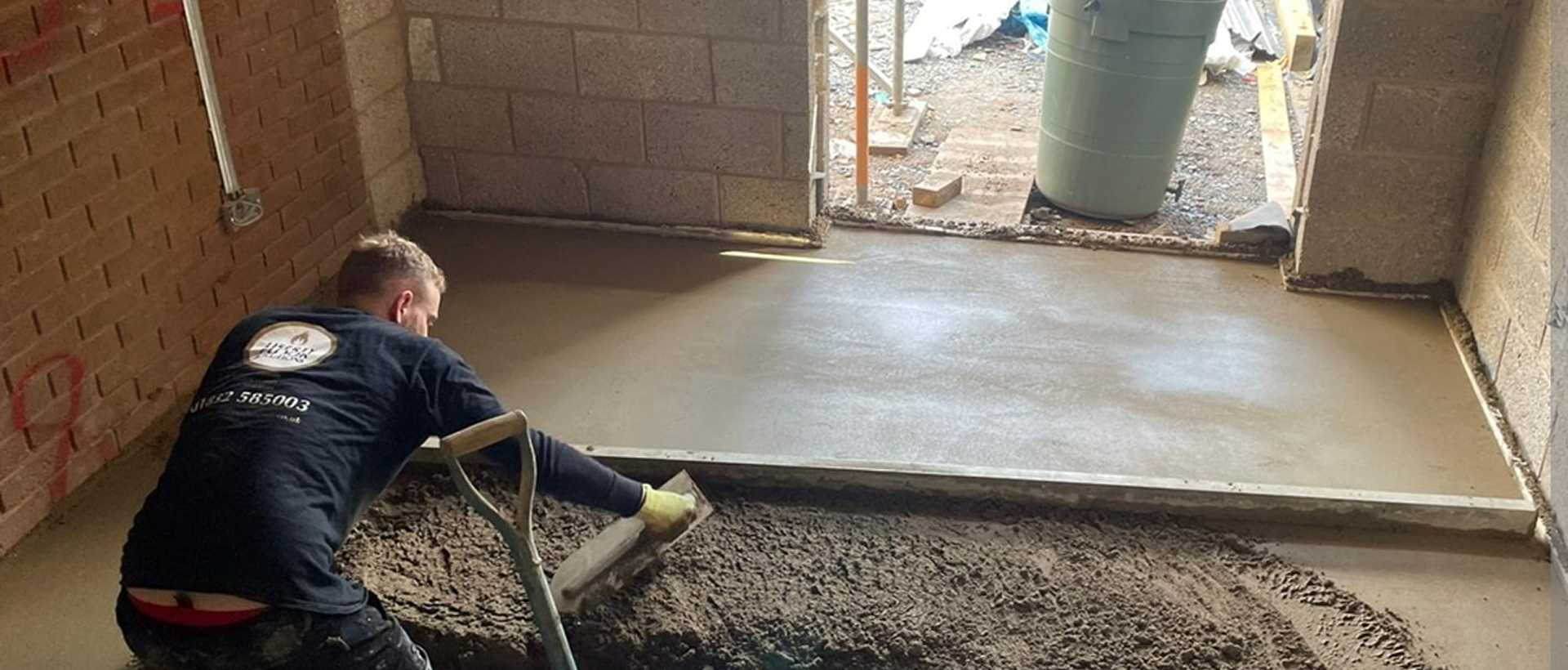
At Concrete Developments, we provide high-quality ready-mix floor screed tailored to both residential and commercial projects. Our screed is ideal for levelling and strengthening uneven internal concrete floors. Whether you’re preparing for underfloor heating or need a smooth, durable surface for your flooring, our expert team ensures a quality mix every time.
What is Floor Screed?
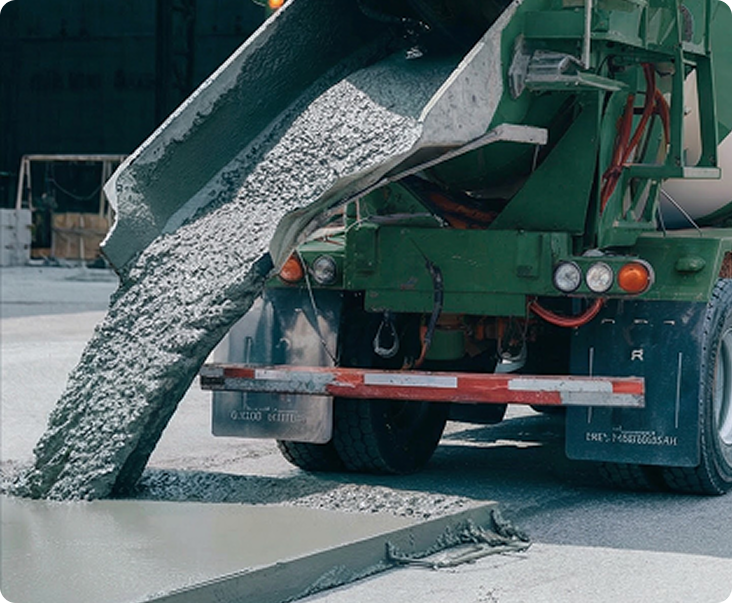
Floor screeding is the process of applying a layer of screed, a mixture of cement, sharp sand, water & plasticiser, to a concrete floor to create a smooth and level surface. This layer is typically applied over a concrete subfloor or insulation to provide a durable and strong base for various floor coverings. Floor screeding is a crucial step in many construction and renovation projects, as it helps to correct imperfections in the underlying subfloor, ensuring a smooth surface for the final flooring. A well-applied screed can significantly enhance the structural performance of the floor, making it more robust and long-lasting.
Why Choose Our Floor Screed?
With years of experience in the industry, we understand that every project is unique. When laid professionally our floor screeds are designed to provide:
Smooth and Level Surfaces: Ensuring an ideal base for all types of flooring.
Fast-Drying: Minimise downtime and keep your project on schedule.
Underfloor Heating Compatibility: Optimal thermal conductivity for energy efficiency.
High Durability: Long-lasting results that stand the test of time.
Our screeding is particularly effective for rapidly installing and curing in demanding environments.
We cater to a range of sectors, including residential properties, commercial buildings, and industrial spaces. No matter the scale of your project, our team is equipped to deliver high standards with every installation.
Traditional Sand and Cement Screed
A cost-effective and reliable solution, offering excellent strength and flexibility for various flooring applications. Bonded screed adheres directly to a prepared concrete substrate, maximising the bonding potential and ensuring a strong base. Perfect for time-sensitive projects, our fast-drying screed allows for quicker floor-covering installation, reducing waiting times. Unbonded screed, separated from the substrate by a membrane to prevent bonding, offers moisture protection and requires specific preparation methods.
Fibre-Reinforced Screed
Enhanced with fibres to improve crack resistance and overall strength, making it an excellent choice for high-traffic areas. Wearing screed is a high-strength concrete topping, suitable for flooring and structural applications.
Base Preparation for Concrete Floor
Proper base preparation is essential for a successful floor screeding project. The concrete floor must be clean, dry, and free of debris or old adhesives. The surface should be roughened to ensure a good bond between the screed and the concrete. Applying a suitable damp-proof membrane is crucial to prevent moisture from rising into the screed, which can compromise its integrity. If underfloor heating systems are part of the project, they should be installed and thoroughly tested before the screed is applied. This ensures that the heating elements function correctly and will not interfere with the screeding process.
Curing and Drying the Screed
After the screed has been applied, it is crucial to allow it to cure and dry properly. The curing process depends on thickness, but will typically take 1mm per day, depending on the ambient temperature and humidity. During this time, the screed should be protected from traffic and any other disturbances to ensure it sets correctly. Once the screed has cured, it can be dried using various methods, including air drying, forced drying, or using a drying compound.
FREQUENTLY ASKED QUESTIONS
As a ‘rule of thumb’ work on 1mm per day, however using gentle ambient heat can increase the rate of curing
Yes, sand/cement screed is ideal for underfloor heating, however we recommend the addition of micro-fibre in the mix
Concrete Developments currently supply concrete across Warwickshire & South Birmingham, including; Solihull, Knowle, Shirley, Hall Green, Sutton Coldfield, Tamworth, Minworth, Meriden, Maxstoke, Coventry, Balsall Common, Kenilworth, Warwick, Leamington Spa, Shrewley, Lapworth, Henley-in-Arden .
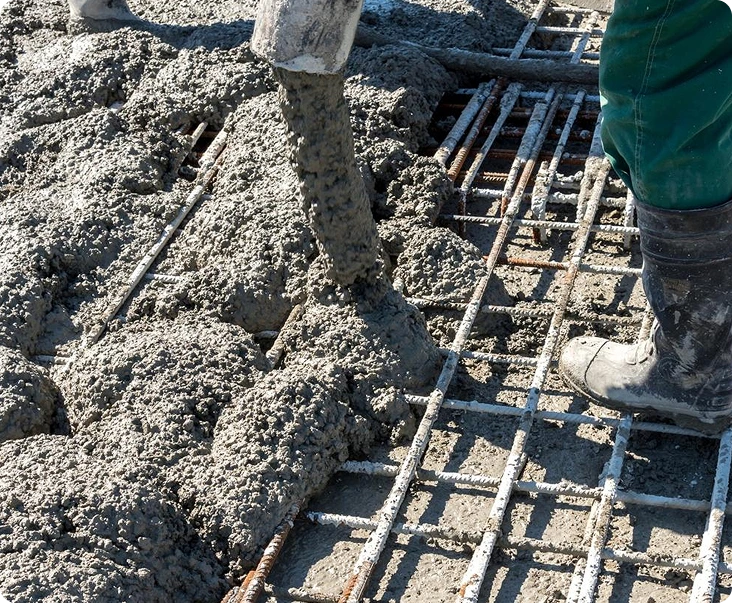
We use a standard 4:1 sand/cement mix, supplied ‘semidry’ on a tipper. Polypropylene Fibres – These can be added to mixes to help overcome the traditional difficulties associated with ensuring the reinforcing mesh is placed at the correct depth. Fibres can substitute the use of crack control mesh and are mixed into the load at the plant, ensuring an even distribution of fibres.
When laid correctly, floor screed will acheive a smooth finished floor surface ready for the final finish
We welcome collections of concrete or floor screed from our plant at B92 0LR
Please call us on 01675 223223 or email us on [email protected] to place an order
Semi-dry Floor Screed provides a high strength, smooth & durable internal finished floor
Proper base preparation is essential for a successful floor screeding project. The concrete floor must be clean, dry, and free of debris or old adhesives. The surface should be roughened to ensure a good bond between the screed and the concrete. Applying a suitable damp-proof membrane is crucial to prevent moisture from rising into the screed, which can compromise its integrity. If underfloor heating systems are part of the project, they should be installed and thoroughly tested before the screed is applied. This ensures that the heating elements function correctly and will not interfere with the screeding process.
After the screed has been applied, it is crucial to allow it to cure and dry properly. The curing process depends on thickness, but will typically take 1mm per day, depending on the ambient temperature and humidity. During this time, the screed should be protected from traffic and any other disturbances to ensure it sets correctly. Once the screed has cured, it can be dried using various methods, including air drying, forced drying, or using a drying compound.

